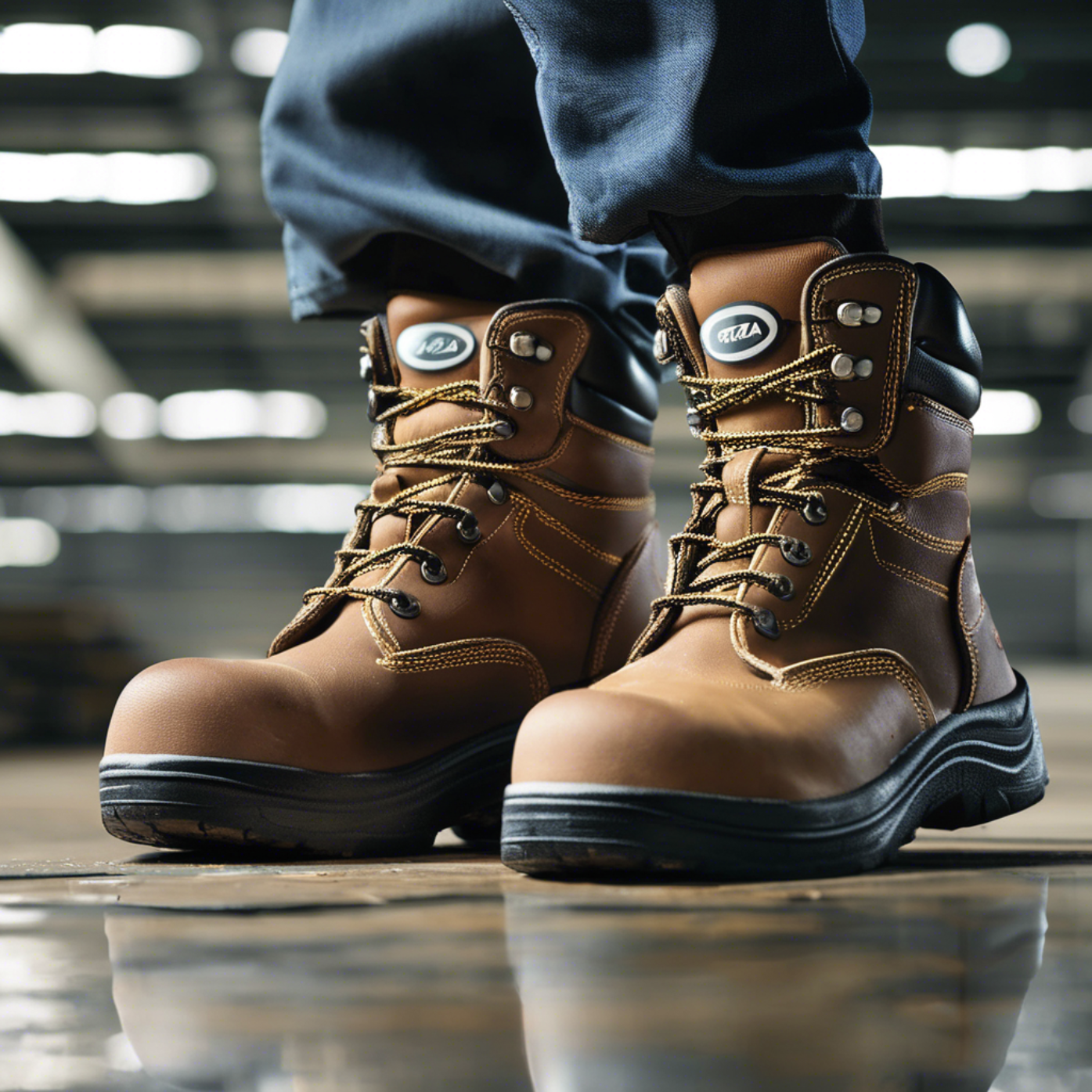
When it comes to workplace safety, footwear is often one of the most overlooked pieces of personal protective equipment. Lace-up work boots, in particular, are a popular choice across industries such as construction, warehousing, manufacturing, logistics, mining, and maintenance. Their adjustable fit, ankle support, and durability make them a practical option for demanding environments.
However, not all lace-up work boots are created equal. Choosing the right pair goes far beyond style or price — it requires a close look at the safety features that protect your feet from daily hazards.
Safety Toe Protection
One of the most critical features of any work boot is toe protection. Lace-up boots often come with several options:
Steel Toe
Steel toe caps provide maximum impact and compression resistance, making them ideal for heavy-duty environments. They are commonly required on construction sites and industrial workplaces.
Composite Toe
Made from materials such as fibreglass, carbon fibre, or plastic, composite toes are lighter than steel and non-conductive. They’re a good choice for electrical work or environments with metal detectors.
Alloy Toe
Alloy toe caps offer similar protection to steel but are significantly lighter. They provide a balance between strength and comfort.
Tip: Always check that the toe cap meets relevant safety standards such as ASTM or EN ISO certification.
Slip-Resistant Outsoles
Slips and falls are among the most common workplace injuries. A high-quality lace-up work boot should feature a slip-resistant outsole designed to maintain traction on wet, oily, or uneven surfaces.
Look for:
Deep tread patterns
Oil- and grease-resistant rubber compounds
Tested slip ratings for workplace environments
Slip-resistant soles are especially important for workers in warehouses, food processing, hospitality, and outdoor job sites.
Puncture-Resistant Midsoles
If your job involves nails, metal shards, glass, or sharp debris, puncture protection is essential. Puncture-resistant midsoles act as a barrier between your foot and hazards underfoot.
Common materials include:
Steel plates
Kevlar® or textile plates
Textile plates are lighter and more flexible, while steel plates offer maximum resistance. Either option significantly reduces the risk of serious foot injuries.
Ankle Support and Stability
Lace-up work boots are known for their superior ankle support compared to pull-on styles. A secure lacing system allows you to customise the fit, providing stability on uneven terrain and reducing the risk of ankle rolls.
Key features to look for:
High-cut or mid-cut boot design
Padded ankle collars
Reinforced heel counters
Good ankle support is particularly important for workers who climb ladders, walk on uneven ground, or carry heavy loads.
Electrical Hazard Protection
Electrical hazard (EH) rated work boots are designed to provide a secondary level of protection against electrical shocks. These boots help reduce the risk of electric current passing through the body by insulating the wearer from the ground.
EH-rated boots are essential for:
Electricians
Maintenance workers
Construction professionals working around live wiring
Always confirm that the boot meets recognised electrical hazard safety standards.
Waterproof and Weather Protection
Wet feet aren’t just uncomfortable — they can lead to blisters, infections, and reduced focus on the job. Waterproof lace-up work boots help keep your feet dry in rainy, muddy, or damp environments.
Common waterproof features include:
Waterproof membranes
Seam-sealed construction
Water-resistant treated leather
For hot or humid climates, breathable waterproof linings help manage moisture while maintaining comfort.
Durable Upper Materials
The upper material plays a major role in a boot’s overall safety and longevity. High-quality lace-up work boots typically feature:
Full-grain leather for durability and abrasion resistance
Synthetic reinforcements in high-wear areas
Scuff-resistant toe caps for added protection
Durable uppers protect against cuts, abrasions, and impacts while extending the lifespan of the boots.
Comfort and Shock Absorption
Safety and comfort go hand in hand. Workers who experience foot fatigue are more likely to lose focus, increasing the risk of accidents.
Look for:
Cushioned midsoles for shock absorption
Ergonomic footbeds with arch support
Energy-absorbing heels
A comfortable boot reduces strain on the feet, knees, and lower back, especially during long shifts.
Secure Lacing System
A reliable lacing system is what sets lace-up work boots apart. Strong laces and reinforced eyelets ensure a snug, secure fit that won’t loosen during the day.
Important details include:
Metal eyelets or speed hooks
Heavy-duty laces
Even lace distribution for pressure control
A secure fit improves stability and prevents heel slip or pressure points.
Compliance with Safety Standards
No matter how many features a boot has, it must comply with recognised safety standards to be truly protective.
Common certifications include:
ASTM (United States)
EN ISO (Europe)
AS/NZS (Australia and New Zealand)
Always check the safety rating required by your workplace or industry before purchasing.
Breathability and Temperature Control
While protection is critical, breathability helps maintain foot health. Lace-up work boots with moisture-wicking linings and breathable panels reduce sweat buildup, odour, and the risk of fungal infections. This feature is particularly valuable for workers in warm climates or physically demanding roles.
Weight and Flexibility
Heavy boots can lead to fatigue over time. Modern lace-up work boots balance protection with lightweight materials to allow natural movement without sacrificing safety.
Lightweight boots are ideal for:
Warehouse and logistics roles
Trades requiring frequent movement
Long shifts on hard surfaces
Final Thoughts
Choosing the right lace-up work boots is an investment in your safety, comfort, and performance on the job. By focusing on essential safety features — such as toe protection, slip resistance, puncture resistance, ankle support, and compliance with safety standards — you can ensure your footwear works as hard as you do.
Every workplace has unique risks, so take the time to assess your environment and job requirements before buying. The right pair of lace-up work boots won’t just protect your feet — they’ll help you stay comfortable, confident, and productive throughout the workday.




Write a comment ...